
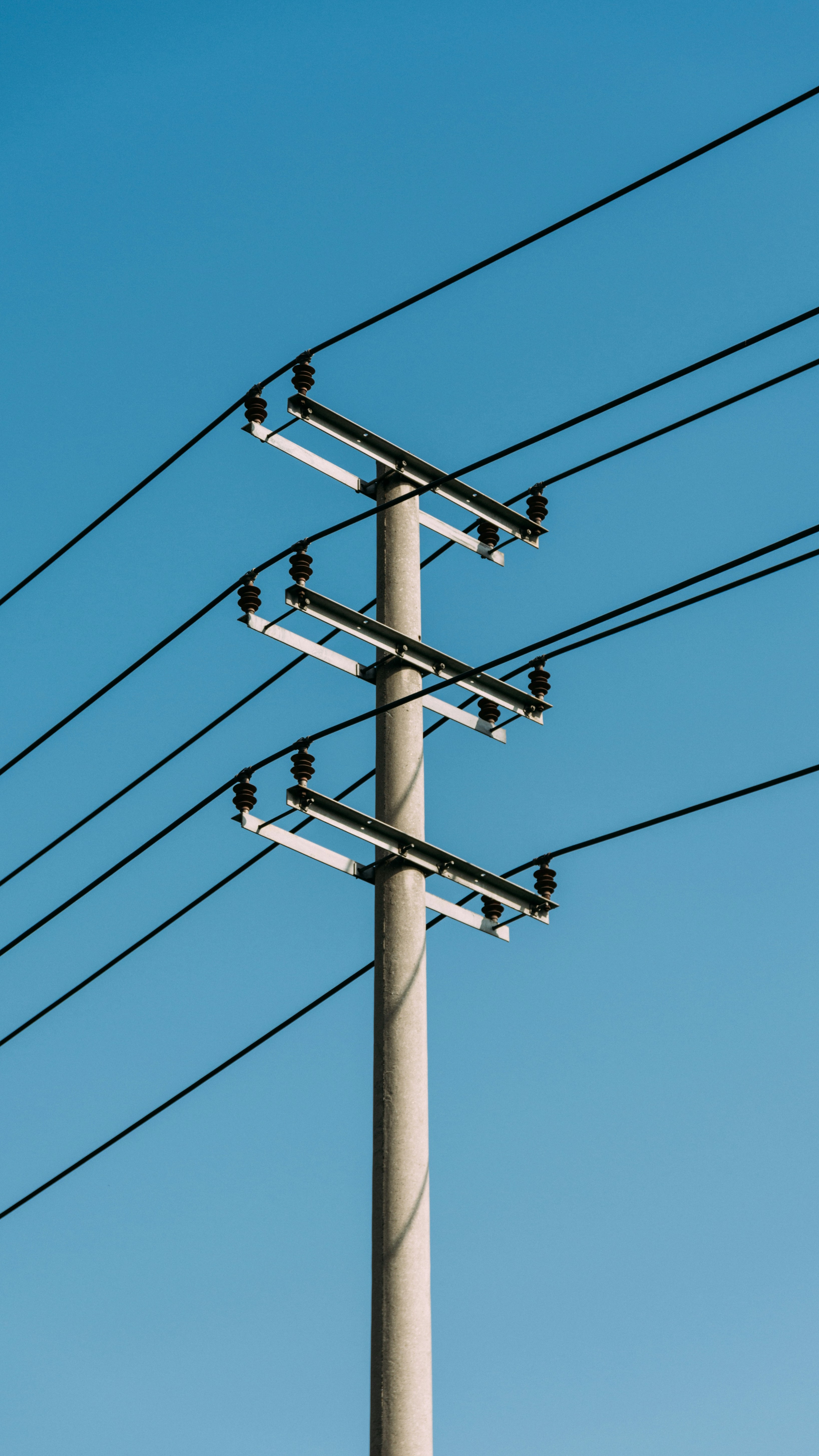
AI's Electricity Demand: Why Power Infrastructure May Be the Next Major Investment Opportunity
Artificial intelligence has become one of the defining investment themes of the decade. Semiconductor manufacturers, software developers, and technology giants building advanced AI models have attracted extraordinary attention and investment capital.
Yet beneath the excitement lies a fundamental economic reality: Artificial intelligence cannot scale without reliable electricity.
Every advanced processor, cloud computing facility, and AI application depends on an increasingly complex network of power generation, transmission infrastructure, and electrical equipment.
As AI adoption accelerates, electricity is emerging as a strategic resource in the digital economy.
For long-term investors, this creates opportunities extending beyond traditional technology stocks into utilities, power generation, natural gas infrastructure, nuclear energy, and the companies modernizing electrical grids.
The next major beneficiaries of artificial intelligence may include businesses supplying the power that makes the technology possible.
Why Artificial Intelligence Requires So Much Electricity
Training and operating sophisticated AI models requires substantial computational resources.
These workloads depend on advanced processors, high-bandwidth memory, networking systems, and specialized data centers capable of operating continuously.
As demand for AI services grows, technology companies must expand the infrastructure supporting both model training and everyday AI applications.
According to the International Energy Agency's Energy and AI analysis published in 2025, global data center electricity consumption was approximately 415 terawatt-hours in 2024.
Under the IEA's base-case projections, that demand could rise to approximately 945 terawatt-hours by 2030.
That represents more than a doubling of global data center electricity consumption in six years.
Importantly, these projections include all data center workloads, not AI alone. Artificial intelligence is nevertheless a major contributor to anticipated growth.
For investors, the significance extends beyond electricity consumption itself.
Increasing demand may require substantial investment in power plants, transmission networks, transformers, substations, and grid management systems.
The expansion of artificial intelligence is therefore becoming an infrastructure investment cycle as well as a technology investment cycle.
The Electrical Grid Is Becoming an AI Bottleneck
One of the most important challenges facing AI infrastructure development is the ability to deliver sufficient electricity to new data centers.
Building a computing facility does not automatically guarantee that the surrounding electrical network can support it.
Large AI data centers may require hundreds of megawatts of electrical capacity. Major data center campuses can seek substantially more as they expand.
Meeting those requirements can involve:
- Constructing new generation facilities
- Expanding high-voltage transmission networks
- Installing additional substations and transformers
- Upgrading distribution infrastructure
- Securing long-term electricity supply agreements
- Obtaining regulatory approvals and construction permits
These projects can take years to complete.
Unlike software infrastructure, which can sometimes expand relatively quickly, electrical infrastructure requires physical equipment, specialized labor, extensive planning, and significant capital investment.
This creates a potential mismatch between the speed of AI computing expansion and the pace at which electricity can be delivered.
The investment implication is significant.
Companies capable of relieving infrastructure constraints may benefit even if the competitive landscape among AI software developers changes.
For additional perspective, see Concrete, Copper, and Computing: The Physical Infrastructure Behind AI.
Five Investment Opportunities Created by AI Electricity Demand
The expanding need for reliable power creates opportunities across multiple industries.
1. Electric Utilities: From Defensive Investments to Growth Infrastructure
Electric utilities have traditionally attracted investors seeking predictable cash flows, regulated returns, and dividend income.
Artificial intelligence could introduce an additional source of long-term demand growth.
Companies such as Southern Company (SO), Duke Energy (DUK), and Dominion Energy (D) operate electrical systems serving regions where economic development and data center expansion can increase electricity requirements.
Greater demand may support additional capital investment in generation, transmission, and distribution infrastructure.
However, regulated utilities do not automatically earn higher profits simply because electricity consumption increases.
Their returns depend on regulatory frameworks, approved capital expenditures, operating costs, financing arrangements, and the ability to recover investments through customer rates.
For dividend investors, the key questions include whether increased capital spending can support sustainable earnings growth and whether dividend obligations remain adequately covered.
Related analysis: Will Utilities Become AI Stocks?.
2. Nuclear Energy: Reliable Power for Continuous Computing
AI data centers require dependable electricity around the clock.
Nuclear generation provides large-scale electricity without direct carbon emissions during operation and can deliver consistent output independent of weather conditions.
This has renewed interest in existing nuclear plants, potential reactor restarts, uprates, and advanced nuclear technologies.
Companies such as Constellation Energy (CEG) participate in nuclear power generation, while BWX Technologies (BWXT) supplies specialized nuclear components and services.
The investment opportunity differs substantially between established operators and companies developing emerging reactor technologies.
Existing nuclear assets may benefit from demand for reliable electricity, while new nuclear construction can face significant regulatory, financing, scheduling, and execution risks.
Investors should distinguish between commercially operating assets and technologies that remain under development.
3. Natural Gas: A Potential Bridge for Expanding Power Demand
Natural gas remains an important source of dispatchable electricity generation in the United States.
Gas-fired power plants can help balance electricity demand and support grid reliability.
As data center development accelerates, additional natural gas generation may be considered in regions where electricity demand is growing faster than other sources can be deployed.
This could create demand for pipeline transportation, storage, and related infrastructure.
Enterprise Products Partners (EPD) and Williams Companies (WMB), for example, participate in different segments of the natural gas infrastructure industry.
However, higher electricity demand does not automatically translate into proportional earnings growth for pipeline operators.
Investors must examine contracted volumes, asset utilization, fee structures, project economics, and capital allocation.
Tax treatment also matters. Certain publicly traded partnerships, including EPD, generally issue Schedule K-1 tax documents rather than the Form 1099-DIV commonly associated with corporate dividends.
4. Electrical Equipment: The Picks and Shovels of AI Power Expansion
One of the less visible opportunities in the AI economy involves the companies supplying electrical infrastructure.
Expanding data center capacity requires substantial investment in:
- Power transformers
- Switchgear and circuit protection
- Electrical distribution systems
- Backup power equipment
- Grid automation technology
- Power management and monitoring systems
Eaton (ETN), Schneider Electric (SU.PA), and GE Vernova (GEV) participate in different areas of electrical infrastructure and energy technology.
Demand for specialized electrical equipment may remain strong as utilities, industrial customers, and technology companies invest in grid modernization.
However, investors should evaluate order backlogs, pricing power, manufacturing capacity, competition, and whether current valuations already reflect optimistic growth assumptions.
5. Cooling and Data Center Power Management
Electricity consumption is not limited to the processors performing AI calculations.
Data centers also require cooling systems, power conversion equipment, uninterruptible power supplies, and monitoring technology.
As computing density increases, thermal management becomes more challenging.
Liquid cooling and other advanced technologies may become increasingly important in high-performance computing environments.
Vertiv Holdings (VRT), for example, supplies critical digital infrastructure products and services, including power management and thermal management solutions.
Investors should evaluate whether rising demand translates into sustainable margins, recurring revenue, and attractive returns on invested capital.
Reliable Electricity May Matter More Than the Lowest Electricity Price
For operators of large AI facilities, electricity reliability is a fundamental business requirement.
Power interruptions can disrupt computing workloads, reduce service availability, and potentially damage equipment or compromise data center operations.
Consequently, technology companies increasingly consider several factors when selecting data center locations:
- Availability of sufficient electrical capacity
- Grid reliability and redundancy
- Long-term electricity pricing
- Access to transmission infrastructure
- Regulatory and permitting requirements
- Availability of backup generation and energy storage
These requirements may favor regions capable of delivering dependable electricity at scale.
They may also encourage greater investment in diversified power generation, battery storage, and grid resilience.
The result is not necessarily a victory for one energy source over another.
Instead, the AI economy may require a combination of technologies capable of delivering reliable, affordable electricity while meeting environmental and regulatory requirements.
Can AI Electricity Demand Support Dividend Growth?
For income-oriented investors, expanding electricity infrastructure presents an interesting opportunity.
Many utilities and established infrastructure businesses already distribute cash to shareholders.
If additional electricity demand produces sustainable earnings and free cash flow growth, some companies may have greater capacity to increase dividends over time.
However, investors must carefully distinguish between earnings growth and cash available for distribution.
Utility companies frequently finance major capital programs through debt issuance, retained earnings, and new equity.
Even when long-term investment opportunities are attractive, elevated capital spending can constrain near-term free cash flow.
A disciplined dividend investor should examine:
1. Earnings growth and dividend payout ratios
2. Operating cash flow and capital expenditure requirements
3. Debt levels, credit ratings, and refinancing needs
4. Regulatory recovery mechanisms
5. Historical dividend growth and management's capital allocation discipline
The strongest long-term opportunities may be businesses capable of balancing infrastructure expansion with financial stability and sustainable shareholder distributions.
For more on this investment approach, see Dividend Growth vs. Capital Growth.
Risks Investors Should Not Overlook
Although AI-related electricity demand presents significant opportunities, the investment outlook is not without risk.
Regulatory Risk
Utilities operate under complex regulatory frameworks.
Even when electricity demand increases, companies may face restrictions on pricing, capital recovery, and allowed returns.
Capital Expenditure and Financing Risk
Power plants, transmission networks, and electrical infrastructure require substantial upfront investment.
Higher interest rates can increase borrowing costs and reduce project economics.
Construction and Execution Risk
Large infrastructure projects can experience permitting delays, equipment shortages, labor constraints, and cost overruns.
Technology and Efficiency Risk
Improvements in semiconductor performance, model efficiency, and data center design could reduce electricity consumption per unit of AI computation.
Although greater efficiency may encourage broader adoption, total electricity demand could grow more slowly than projected.
Demand Forecasting Risk
Not every announced data center project will necessarily be completed.
Utilities and infrastructure companies must avoid committing excessive capital to demand that may be delayed or fail to materialize.
Valuation Risk
Investors should recognize that favorable industry trends do not guarantee favorable investment returns.
A business benefiting from long-term demand growth can still produce disappointing shareholder returns if purchased at an excessive valuation.
What Should Long-Term Investors Monitor?
Rather than focusing exclusively on AI-related headlines, investors can monitor measurable indicators of infrastructure demand and profitability.
Electricity load forecasts: Are utilities increasing long-term demand projections based on credible customer commitments?
Data center construction: Are announced projects receiving financing, permits, and electrical interconnection approvals?
Utility capital spending: Are companies expanding investment plans, and can those investments earn attractive regulated returns?
Equipment orders: Are electrical infrastructure manufacturers reporting sustained demand and healthy margins?
Natural gas infrastructure: Are additional power generation requirements translating into contracted pipeline capacity?
Nuclear power development: Are existing plants securing long-term agreements, and are proposed projects progressing through realistic regulatory and financing milestones?
Free cash flow and leverage: Can businesses support growth investments without undermining their balance sheets?
These indicators may provide a more reliable investment framework than simply identifying companies associated with artificial intelligence.
Frequently Asked Questions About AI and Electricity Investing
Why does artificial intelligence use so much electricity?
AI systems require substantial computing power for model training and operation. Advanced processors, networking equipment, data storage, cooling systems, and supporting infrastructure all consume electricity.
Will AI increase electricity demand in the United States?
AI-related data center expansion is expected to contribute to higher electricity demand, although the magnitude will vary by region and depend on computing efficiency, project development, and broader economic conditions.
Which utility stocks could benefit from AI?
Utilities operating in regions experiencing data center development may benefit from additional electricity demand and infrastructure investment. Potential outcomes depend on regulation, capital spending, financing costs, and valuation rather than demand growth alone.
Is nuclear power a good investment because of AI?
Nuclear energy may benefit from growing demand for reliable electricity. However, nuclear-related investments vary significantly in maturity, financial strength, regulatory exposure, and execution risk.
Can natural gas companies benefit from AI data centers?
Natural gas infrastructure businesses may benefit if additional gas-fired electricity generation increases demand for transportation, storage, and related services. The financial impact depends on contracts, infrastructure utilization, and project economics.
Are AI infrastructure companies safer than AI technology stocks?
Not necessarily. Infrastructure businesses may have different revenue models and competitive dynamics, but they still face valuation, financing, regulatory, construction, and demand risks.
The Owls Nest Capital Perspective
At Owls Nest Capital, we believe long-term investing requires looking beyond short-term market narratives to identify the businesses and infrastructure supporting lasting economic transformation.
Artificial intelligence is often presented as a competition among semiconductor manufacturers, software developers, and cloud computing companies.
Yet the physical requirements of AI create a much broader investment landscape.
Electric utilities, natural gas infrastructure, nuclear generation, electrical equipment manufacturers, and data center power management companies all contribute to the foundation of the emerging AI economy.
Our approach emphasizes business quality, durable competitive advantages, disciplined valuation, cash flow generation, and long-term capital allocation.
The objective is not simply identifying industries with growing demand.
It is identifying businesses capable of converting that demand into sustainable earnings and shareholder value.
Final Thoughts: The Power Behind the AI Revolution
Every major technological revolution depends on essential infrastructure.
Railroads required steel, bridges, and fuel. The internet required telecommunications networks, fiber optics, and data centers.
Artificial intelligence requires advanced computing technology supported by reliable electricity.
As AI adoption expands, the infrastructure necessary to generate, transmit, distribute, and manage electrical power may become an increasingly important source of long-term investment opportunities.
For patient investors, the companies supporting this transformation deserve careful analysis alongside the technology leaders receiving most of the attention.
The next major investment opportunity in artificial intelligence may not be another breakthrough algorithm. It may be the infrastructure delivering the electricity that makes those breakthroughs possible.
---
Disclaimer: This article is for educational and informational purposes only and does not constitute personalized investment advice. Companies and securities mentioned are illustrative examples, not recommendations to buy or sell. All investments involve risk, including potential loss of principal. Past performance does not guarantee future results.